

Michael Ward is the eldest of five brothers; they grew up in South London and Surrey.
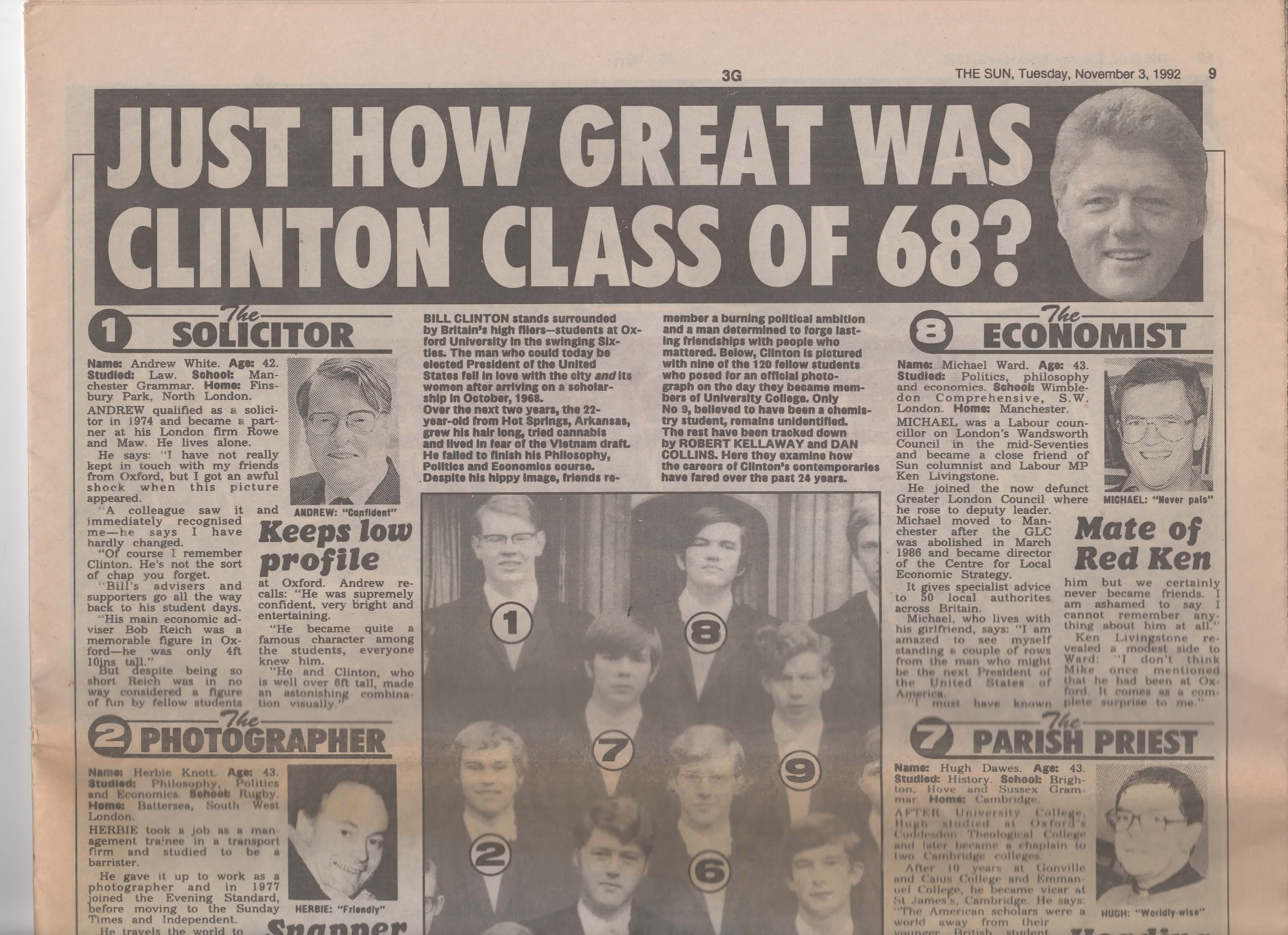
After leaving school (Wimbledon College) in 1967, Michael studied Politics, Philosophy and Economics at University College Oxford. He joined the Labour Party in 1969.
1
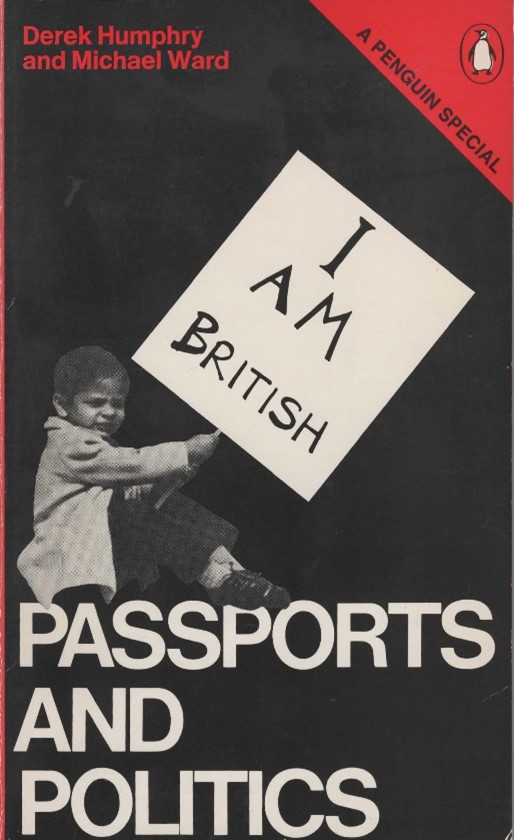
After graduating in 1972 Michael worked with organisations supporting Asian refugees expelled from Uganda. His book about that period, Passports and Politics, written with a Sunday Times journalist, was published as a Penguin Special in 1974.
From 1974 to 1981, Michael worked for housing organisations in local government and the voluntary sector. He was a Wandsworth Labour councillor from 1974 to 1978. (see the Wandsworth page here), and became involved in community campaigns against the loss of industrial jobs in London. As a councillor, Michael produced a substantial report on jobs and the local economy, leading to his later work on economic development.
Between 1978 and 1981, Michael drafted an Industry and Employment Labour manifesto for the Greater London Council (GLC), and also took a history MA at Birkbeck university of London.
In 1981 Michael was elected a GLC member. (see the GLC page here). For five years he chaired the GLC’s Industry and Employment Committee; for the GLC’s final year he was Deputy Leader.
The GLC was abolished in 1986. A year later, Michael moved to Manchester and became Director of the Centre for Local Economic Strategies (CLES) – a new think tank, set up by the GLC, Sheffield, Manchester and other councils interested in new approaches to local economic policy. (link to CLES page).
Under Michael’s leadership, CLES undertook local studies for councils and local partnerships. The centre worked with the European Commission on projects to share skill in local economic development across Europe, and with countries across the Mediterranean.
In the years before the election of the Labour government in 1997, Michael worked with the Labour opposition on policies to integrate unemployed people into the labour market, and the establishment of regional development agencies (RDAs) to grow and strengthen regional economies.
In 2000 he returned to London to lead the London Development Agency – the LDA, London’s RDA. (see the LDA page here).
There he led the preparation of the London Economic Strategy – the first plan for London’s jobs since the abolition of the GLC.
He left the LDA in 2004, and subsequently worked on the regeneration of the Thames Gateway, between London and the sea, and later as a consultant.
In 2011 he wrote a pamphlet, Beatrice Webb: her quest for a fairer society for the Webb Memorial Trust and the Smith Institute, (see more information on the Webbs here) to commemorate the centenary of the Webbs’ Minority Report on the Poor Law.
Since then he has been working, again with support from the Webb Memorial Trust, on a life of the Webbs, published in 2024 as Unceasing war on poverty: Beatrice and Sidney Webb and their world, available to buy online here.
xx
xx
xx